advertisement

Member owned and operated website
Please Enter the reason why you are reporting this comment, once reported, it will be reviewed by our compliance department.
To close, click the Close button or hit the ESC key.
advertisement
Decline in Haitian agriculture caused by Extermination of Creole Pigs
Jun
20
2011
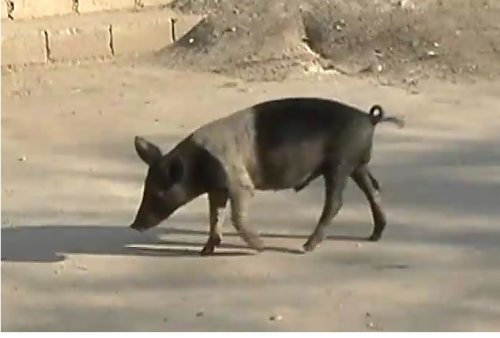
Haitian pigs was the way that most Haitian farmers invest for tomorrow. These pigs would be sold to send children to school, pay for wedding or funerals. Because it did not require much to maintain them, it was easy for a family to have a few Creole pigs in the neighborhood until the need arises to sell them.
In 1979, there was a fair that a African swine fever that was detected in the Dominican Republic could easily cross the border and infect the pigs in Haiti. These pigs were replaced by a more sophisticated pigs coming from the United States. These U.S. pigs has a nick name "Grimelle" and were more expensive to maintain. The eradication of the Creole pigs was also the star of the decline in farming and a migration of Haitian farmer into major Haitian cities
Event Date: Mon, 20 Jun 2011 00:00:00
Comment on Decline in Haitian agriculture caused by Extermination of Creole Pigs |
advertisement
|
Tag Cloud
Stadium Voodoo Petite Riviere de L'Artibonite college Michaelle Jean Port-au-Prince University France religion Colonization Senate Louverture Library Senat Manigat Cholera United Nations Louisiana Savannah digicel Peacekeeping Hispaniola Christophe UN American vote Haitian painting Religion Race Habitat Charles Rector Obama Clinton Celestin Wanga-Neges Ayiti Lambert Canada Protester crime Class Sport Saint-Marc Grande Salines Revolution Comedy Bicha Funny Peacekeeper guns Deportation kidnapping Haitian Columbus Military Investment Langlois International candidates soccer Soccer Identification St Marc Asylum Force Art Commission Wyclef Airport Boyer weapon DNA President Thomassique Dondon Voltaire Anse Rouge Economy Bishop candidate Ti-Coca transportation Jacqueline Charles Uriguay La Chapelle Boucan Carre Dadou UNESCO Conille Sex Tabarre U.N. Finance boat people Fraud agriculture Narcisse Verrettes Haitian Art Cerca la Source Zenny Desdunes Bonaparte Maissade Michel Martelly Tent sex Jean-Bart Jeunes children Hinche CIA Employment business child Sylvio Cator Ennery History Movie immigration Department Alexis Marmelade music Laleau export Immigration Gros-Morne Cayes Jean-Charles National Azor cholera Miss Universe school Government Wyclef Jean Recovery Politic Dominican Republic Gonaive Saut-d'Eau Mulato Savanette Prime Minister nominee piracy passport Ros-Lehtinen Haitian-Bahamian Sweet Micky Child Beyonce Houngan import Digicel musician Palestine Wyclef jean Marche Hyppolite lavalas housing Joseph art career Madrid job Tere-Neuve Independence Duvalier UNITE soldier U.S. Iron Market Kebreau Baker culture Agriculture United States home Louvertures Food Animal Adoption Dead Benoit Saint Domingue RDNP Earthquake Police Nepturne Preval Artibonite IHRC British colonization Sarah Palin lascahobas Lavalas Racine Polist gang CONATEL Leogane Djakout #1 Varreux Port-Salut Desssalines jean Tropicana Rene Preval FIFA Gang Father fraud U.S. Government Aristide politic police G16 Music Judo House School TPS Coconut USAID Emeline Michel Business Jeudi Producr Belladere Bellerive Uruguay rara Kombit US Government Senator New York Arrest Brazil Mirebalais Market Brazilian Son Miami Herald Supplice Shleu Shleu Tabou Combo media Trinidad Little Haiti Black Candidate Spain Prime Minister Afranchi Chicago security Israel UNIFA Saint-Domingue Rihanna World Bank Titanyen Melanie Renaud telecom Dessalines Estere decentralization Martelly Saut D'Eau New Orleans DuSable Fugitive MINUSTAH Haitian-Americans Job Education election FBI Cean peacekeepingCategory Relation to
Decline in Haitian agriculture caused by Extermination of Creole Pigs
Sep
05
2011
Kombit, a Haitian agriculture and economic system
The same way we have capitalist, socialist and communist systems of government, the Haitian people has its Kombit system that has proven to be very effective to the economy of Haiti. What is Kombit? A Kombit is a system of interacting that is bas...
Sep
04
2011
Haiti and its agriculture
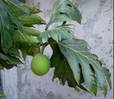
Haiti is basically an agricultural society. It has been reported that two third of Haitians live of agriculture. The small scale farming of farming that exists in Haiti, combined with other issues such as the phenomenon of deforestation affect th...
Sep
04
2011
Animals in Haiti often neglected and abandoned
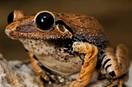
Although the world came to Haiti to help the Haitian people after the 2010 earthquake, little attention was given to the various animals in the country. beside the estimated 300,000 people who lost their lives during the earthquake, countless numbe...
Jun
20
2011
Replacement of Native Haitian rice by Cheaper US imports in under Bill Clinton
In 1993, U.S. President Bill Clinton encouraged Haitian President Jean-Bertrand Aristide to open the Haitian economy to U.S. farmers by dropping all protective tariffs. This triggered a replacement of the native grown rice in Haiti by the cheap U.S...
